

 USD
USD
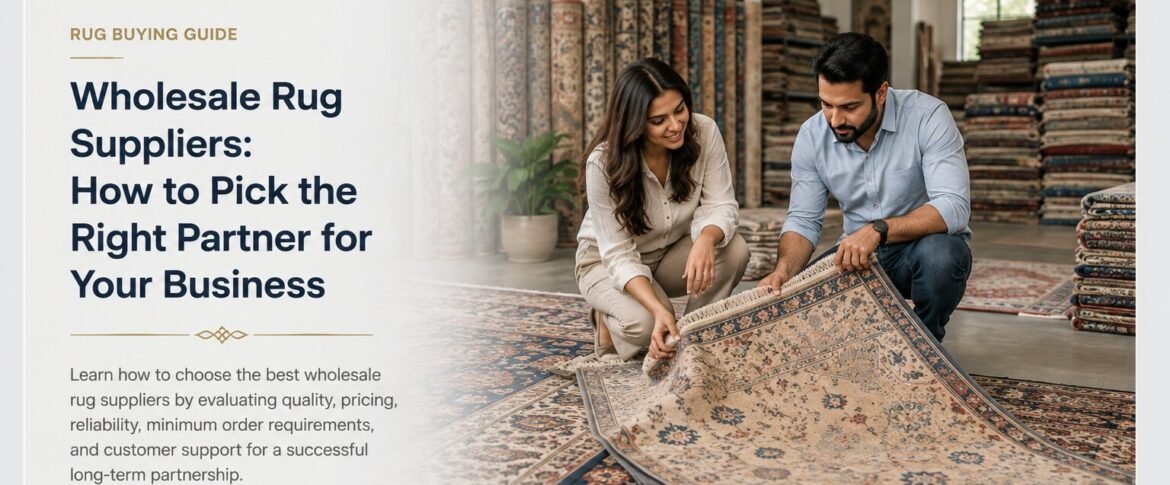
Wholesale Rug Suppliers: How to Pick the Best One for Your Business
So, you’re looking to bring some fantastic rugs into your business? That’s an exciting journey, but let’s be honest, one of the biggest decisions you’ll make is choosing the right wholesale rug suppliers. Having spent years immersed in the world of rug manufacturing and distribution, I’ve seen firsthand how the perfect partnership can truly boost a retail brand, just as a less-than-ideal choice can cause real headaches. This guide, packed with insights from my own practical experience, is here to arm you with everything you need to know to find and team up with the very best in the rug business.
Introduction: Why Your Wholesale Rug Supplier Choice Matters
Picking the right wholesale rug suppliers isn’t just about ticking a box on your to-do list; it’s a foundational decision that directly shapes your product quality, how you manage inventory, how happy your customers are, and ultimately, how much profit your business makes. In today’s competitive market, a reliable supplier is your secret weapon, ensuring you can consistently offer beautiful, high-quality products that truly resonate with your B2C customers.
From what I’ve seen, a common pitfall is chasing only the lowest price. What truly makes a difference is finding a partner who offers a great balance of quality, variety, consistent reliability, and fantastic service. This guide will help you look past the obvious to build lasting, super-fruitful relationships with your rug partners.
What Are the Key Criteria for Choosing Top Wholesale Rug Suppliers?
When you’re checking out potential wholesale rug suppliers, there are a few really important things to look at. Focusing on these areas will help you make a smart decision that genuinely supports your business goals and helps you thrive.
In the real world, a supplier’s true worth isn’t just about their product catalog; it’s about how smoothly they fit into your operations and how much they help boost your brand’s reputation.
Product Quality and Consistency
The quality of the rugs you sell directly reflects on your brand, plain and simple. Before you commit to anything big, always, always ask for samples! Take a good look at the materials, the weave, how consistent the dye is, and the overall finish. Are they built to last? Do they shed too much? If your business focuses on something specific, like luxury home decor, then top-notch quality isn’t just nice to have – it’s absolutely essential.
- Material Standards — Double-check what kind of fibers they use (wool, synthetic, cotton, jute) and where they come from.
- Craftsmanship — Inspect how dense the weave is, the knot count, and the overall construction to gauge durability.
- Colorfastness — Make sure the dyes are stable so colors won’t bleed or fade quickly over time.
Variety and Specialization
Does the supplier actually offer the range of rugs your customers are looking for? We’re talking different styles, sizes, colors, and materials. If you specialize in certain types of products, like accent rugs or commercial mats, then actively seek out rug manufacturing companies that really shine in those specific niches.
- Style Range — Do they have modern, traditional, bohemian, transitional, or other styles?
- Size Options — Can you get everything from tiny entry mats to those grand area rugs?
- Specialty Items — Are they good accent rug manufacturers or do they excel as a commercial mat manufacturer?
Pricing, Minimum Order Quantity (MOQ), and Payment Terms
Of course, competitive pricing is super important, but it should never mean sacrificing quality. Make sure you fully understand the supplier’s pricing levels, any discounts for bigger orders, and their Minimum Order Quantity (MOQ). A really high MOQ might be tough for smaller businesses, while flexible terms can give you a huge leg up. Also, get clear on payment schedules, credit terms, and any international transaction fees that might pop up.
In my experience, you can often negotiate MOQs, especially if you show them you’re serious and have potential for future growth.
Reliability, Lead Times, and Logistics
A dependable supply chain is absolutely critical. Ask them about their typical lead times – how long from when you place an order until it arrives? How do they handle unexpected delays or hiccups in the supply chain? What are their shipping methods, and what do they cost? Getting your orders on time is key to keeping customers happy and managing your inventory smoothly.
- Production Capacity — Can they genuinely meet your demand, especially when things get busy during peak seasons?
- Shipping Options — Air, sea, or ground freight? Get details on costs and timelines for each.
- Tracking and Communication — How will they keep you in the loop about your order’s status?
Customer Service and Support
When things inevitably go wrong (because they sometimes do!), having responsive and helpful customer service is priceless. A great supplier will offer dedicated account managers, clear ways to communicate, and a proactive approach to solving problems. This also includes transparent return policies and a willingness to actually address any quality concerns you might have.
Ethical Sourcing and Sustainability
For many of today’s B2C consumers, a brand’s dedication to ethical and sustainable practices is a powerful reason to buy. Dig into whether your potential wholesale rug suppliers uphold fair labor practices, use eco-friendly materials, or have sustainability certifications. This adds a huge amount of value to your brand’s story and resonates with conscious buyers.
Essential Questions to Ask Prospective Rug Suppliers
Before you seal the deal with any rug suppliers, asking a few smart questions can reveal so much crucial information. This helps you figure out if they’re a good fit and minimizes potential risks down the road. Don’t be shy about digging deep; starting with transparency always builds a stronger relationship.
Asking the right questions isn’t just about vetting; it’s about setting clear expectations and understanding how they truly operate in all sorts of situations.
Here are some key questions you really should consider asking:
- What’s your typical Minimum Order Quantity (MOQ) for different rug types?Understanding their MOQ helps you figure out if they align with your current business size and where you plan to grow. Flexibility here can be a massive benefit for businesses on the rise.
- Can I get samples of specific rugs before I place a big bulk order? What’s the cost and how long does it take for samples?You absolutely have to physically inspect samples for quality control! It’s non-negotiable for making sure the product meets your expectations and matches what you’ll be showing your customers.
- What are your standard payment terms (e.g., net 30, upfront deposit)? Do you offer credit terms for established clients?Cash flow is everything. Favorable payment terms can seriously impact your operating budget and how you manage your inventory.
- What are your average lead times for production and shipping to my location? How do you handle rush orders?Accurate lead times are critical for managing your stock and giving your customers realistic delivery estimates. Nobody likes surprises here!
- Do you offer drop shipping, private labeling, or custom design services?These kinds of services can be incredibly valuable for expanding your product line, making your logistics smoother, or creating a truly unique brand identity without huge upfront investments.
- What’s your policy for returns, exchanges, or damaged goods?Having clear policies protects everyone involved and ensures that if issues pop up, there’s a smooth way to fix them. Trust me, understanding this early on prevents major headaches later.
- How do you ensure quality control throughout the manufacturing process?This question really gets into their internal processes and how committed they are to delivering consistent quality. Listen for answers that detail specific inspection points and standards.
- Can you share some references from other retail clients or testimonials?Talking to their existing clients gives you invaluable, unbiased feedback about the supplier’s reliability and service. It’s like getting a personal recommendation.
Online vs. Direct Sourcing: Which Approach to Rug Suppliers is Best?
When you’re on the hunt for rug suppliers, businesses often find themselves debating between online marketplaces and more direct, often international, sourcing. Each path has its distinct ups and downs, and what’s “best” really boils down to your specific business model, budget, and how much risk you’re comfortable with.
From my own experience, a mix-and-match approach often gives you the best results, letting you enjoy the perks of both while sidestepping some of the downsides.
Online Sourcing from Wholesale Marketplaces
Online platforms like Alibaba, Faire, or dedicated B2B rug portals are super convenient and offer a massive selection. They make the initial search a breeze and can be perfect for smaller businesses or anyone wanting to test out new product lines.
- Pros:
- Accessibility: You can easily browse countless suppliers worldwide right from your desk.
- Variety: Access to a huge range of styles, materials, and price points.
- Lower MOQs (sometimes): Some platforms are designed to help smaller businesses with more manageable minimum orders.
- Reviews & Ratings: User feedback can be a helpful tool when you’re checking out potential suppliers.
- Cons:
- Limited Quality Control: You can’t physically inspect products before buying in bulk, so you’re relying heavily on samples and descriptions.
- Communication Barriers: Potential for language differences or slow response times, especially with international partners.
- Shipping Complexities: Handling international shipping and customs can feel like a maze if you’re new to it.
- Authenticity Concerns: There’s always a risk of misrepresentation or even fraud if you don’t do your homework thoroughly.
Direct Sourcing (Trade Shows, Factory Visits, Agents)
Direct sourcing means building relationships straight with rug manufacturing companies. This often happens through trade shows, visiting factories, or working with local sourcing agents. This method is usually preferred by bigger retailers or those looking for custom designs and really tight quality control.
- Pros:
- Strong Relationships: This approach really helps build better communication and lasting partnerships.
- Superior Quality Control: You get the chance to inspect factories, materials, and production processes firsthand.
- Customization: It’s much easier to negotiate custom designs, private labeling, and even exclusive product lines.
- Better Pricing: There’s potential for more favorable pricing and terms because you’re negotiating directly.
- Cons:
- Time & Cost: It requires a significant investment in travel, time, and resources.
- Higher MOQs: Direct manufacturers often have bigger minimum order requirements.
- Complexity: Navigating international business practices, legalities, and cultural differences can be challenging.
- Limited Options: You’ll have fewer suppliers accessible compared to the vastness of online marketplaces.
For many growing businesses, a smart move is to start with online sourcing to identify potential products. Then, once you’re confident, transition to direct sourcing for your key, high-volume items or for any custom orders. It lets you test the waters before diving into major commitments.
Why Kaleen Baba Stands Out Among Wholesale Rug Suppliers
In a market overflowing with wholesale rug suppliers, finding a partner who genuinely puts quality, customer happiness, and ethical practices first can feel like searching for a needle in a haystack. But Kaleen Baba has consistently proven itself by sticking to these core values, making them a really attractive option for businesses eager to upgrade their rug inventory.
What I’ve noticed is that Kaleen Baba’s commitment goes way beyond just selling rugs; they really aim to be a true partner in your business’s success. It’s a philosophy that, in my observation, delivers real, tangible benefits to retailers.
Here’s what makes Kaleen Baba truly shine:
- Unwavering Commitment to Quality: Every single rug from Kaleen Baba goes through super strict quality control checks. This ensures you get superior craftsmanship, durable materials, and a consistently beautiful look. They partner closely with skilled artisans and top-notch mills, making sure that rug manufacturing companies in their network meet the highest global standards.
- Diverse and Curated Collection: Whether you’re hunting for timeless traditional designs, trendy contemporary accent rugs, or specialized commercial mats, Kaleen Baba offers a huge, thoughtfully chosen selection. Their inventory is designed to cater to all sorts of tastes and market demands, including a robust line perfect for accent rug manufacturers and custom options if you need a specific commercial mat manufacturer.
- Transparent and Ethical Sourcing: Kaleen Baba genuinely cares about ethical labor practices and getting materials in a sustainable way. They believe in responsible manufacturing that not only supports communities but also protects our environment – a huge selling point for today’s conscious consumers. This transparency builds trust and makes your brand’s story even stronger.
- Exceptional Customer Support: They get that wholesale sourcing can be complex, so Kaleen Baba provides dedicated account management and really responsive support. They focus on clear communication, super-smooth ordering, and proactively solving problems, building a partnership you can truly rely on.
- Flexibility for Growth: Kaleen Baba understands that businesses evolve, which is why they offer flexible MOQs and adaptable partnership models. This approach is great for businesses of all sizes, from small boutiques to larger chains, giving you the agility you need to scale up effectively.
By choosing a supplier like Kaleen Baba, you’re doing more than just buying rugs. You’re investing in a relationship that brings consistent quality, fresh designs, and dependable support – all essential ingredients for lasting success in the competitive retail world.
Conclusion
Picking the perfect wholesale rug suppliers is seriously one of the most fundamental decisions for any retail business that sells home furnishings. This choice impacts pretty much everything: from the quality of your products and how quickly inventory moves, to how happy your customers are, and ultimately, your brand’s reputation and bottom line. By carefully checking out potential partners based on product quality, variety, pricing, reliability, and customer service, businesses can build strong, win-win relationships.
Always make transparency and ethical practices a top priority. Not only will these set your brand apart, but they also perfectly align with what today’s consumers increasingly expect. The right supplier isn’t just a vendor; they’re an invaluable extension of your team, laying the groundwork for steady growth and helping you stand out in the market. Ready to upgrade your inventory with amazing quality and service? Go explore Kaleen Baba’s diverse and ethically sourced collection today to find those perfect rugs for your discerning customers!
Frequently Asked Questions
What are the common challenges when dealing with wholesale rug suppliers?
You might run into common challenges like inconsistent quality, delayed shipments, really high Minimum Order Quantities (MOQs), or sometimes, just poor communication. It’s super important to vet wholesale rug suppliers thoroughly by checking references and always asking for samples. This helps you dodge these risks and keep your supply chain running smoothly.
How do rug manufacturing companies ensure quality control?
Reputable rug manufacturing companies typically have quality control built into several stages. This usually means checking raw materials, closely monitoring the weaving or tufting processes, making sure dye consistency is perfect, and doing a final inspection for any flaws before packaging. Some even bring in third-party auditors for an extra layer of assurance.
What should I look for in accent rug manufacturers?
When you’re choosing accent rug manufacturers, you’ll want to find those who offer a huge variety of trendy designs, bright color choices, and different materials that just shout “buy me!” Good quality stitching and a non-slip backing are also key for these smaller rugs, especially since they often see a lot of foot traffic. You want them to last and be safe for your customers.
Are there specific considerations for a commercial mat manufacturer?
Absolutely, when you’re working with a commercial mat manufacturer, your top priorities should be durability, slip resistance, and how easy they are to clean. These mats are going to handle heavy foot traffic and need frequent upkeep. Also, look for certifications for fire resistance or specific commercial-grade standards; they’re vital for safety and making sure you comply with business regulations.
Can small businesses find good deals with wholesale rug suppliers?
Yes, totally! Small businesses can definitely find awesome deals with wholesale rug suppliers, especially if you look for those who are flexible with MOQs or offer tiered pricing. Being open to direct communication, building good relationships, and even considering slightly smaller orders can often lead to favorable terms and discounts, even without placing massive bulk purchases.

Looking for the Perfect Rug?
Get a free consultation with our rug experts. We help you choose, style, and maintain the perfect rug for your space — at no cost.
