

 USD
USD
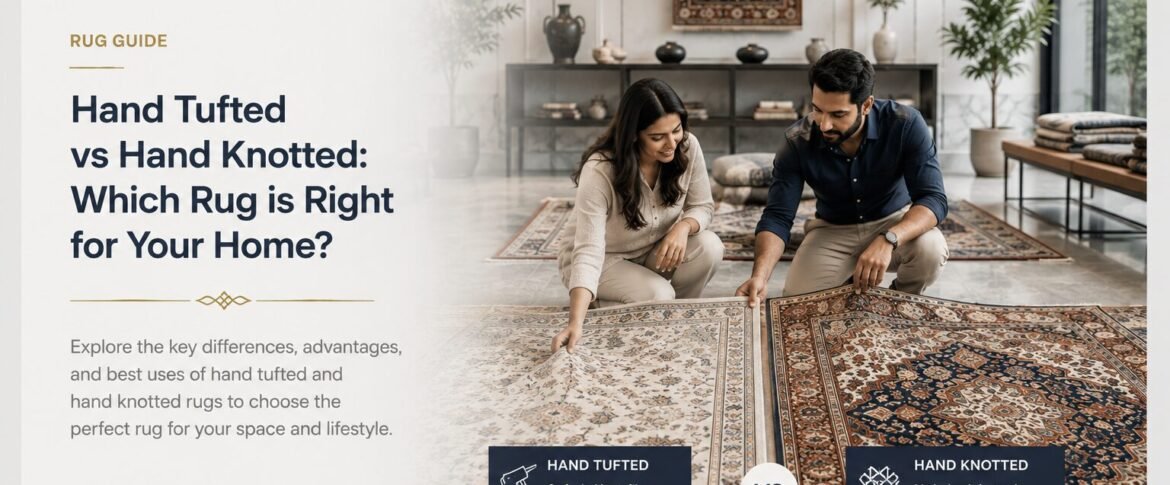
Hand Tufted vs. Hand Knotted Rugs: Let’s Break It Down
Picking the perfect rug for your home is more than just a style choice; it’s an investment in comfort, warmth, and lasting beauty. But the world of handmade rugs can feel a bit complex, often leaving homeowners wondering about the fundamental differences between various construction methods. Among the most common distinctions are rugs crafted by hand tufted rug manufacturers and their truly hand-knotted counterparts. While both offer that lovely touch of artisanal quality, their creation process, how long they last, and their intrinsic value diverge quite a bit.
As someone who has spent years immersed in the rug industry, I can tell you that understanding these nuances is absolutely critical. So, this guide is here to demystify these two popular rug-making techniques, giving you practical insights into how they’re made, what makes them unique, and what all of that means for your home. By the end, you’ll be totally equipped to make an informed decision that aligns perfectly with your lifestyle and budget, all while truly appreciating the incredible craftsmanship behind each thread.
What Exactly is Hand Tufting? The Process and Tools Explained
Hand tufting is a clever rug construction method where yarn is punched through a primary backing fabric using a specialized tool. This creates the rug’s plush pile, which is then firmly secured with a latex adhesive and a secondary backing. It’s a process that really strikes a balance, offering a handcrafted feel with much more efficient production times compared to traditional knotting.
From my practical experience overseeing rug production, hand tufting is often misunderstood. It’s a fascinating, semi-manual process – not fully machine-made, but definitely less labor-intensive than traditional hand-knotting. A skilled artisan uses a hand-held tufting gun, which works much like a large needle, to rapidly inject yarn into a stretched canvas. Think of it this way: the design is carefully drawn onto this canvas beforehand, guiding the artisan’s every move. The loops formed on the face are then either cut (for a cut pile finish) or left as loops (for a loop pile), giving the rug its unique texture.
The Hand Tufting Process, Step by Step
Creating a hand-tufted rug involves several distinct steps:
- Design Transfer: First, a detailed design is meticulously drawn onto a sturdy fabric backing, usually cotton or polypropylene, which is stretched tightly on a frame.
- Tufting: An artisan then uses a pneumatic or electric tufting gun to punch yarn through the backing, carefully following the design lines. This action creates those lovely loops of yarn on the face of the rug.
- Latex Application: Once the entire design is tufted, a layer of latex adhesive is applied to the back of the rug. This crucial step locks every bit of yarn into place, stopping shedding and giving the rug its core strength. It’s a big difference from hand-knotted rugs, which get their stability from the knots themselves.
- Secondary Backing: A sturdy secondary backing, typically made of jute or cotton, is then glued over the latex layer. This provides extra stability, protects your floor, and neatly conceals the latex.
- Finishing: Finally, the rug is sheared, carved, or sculpted to achieve the desired pile height and texture, which really enhances the design’s visual appeal. Many hand tufted carpet manufacturers truly excel at creating intricate carved details.
What I’ve always found great about hand tufting is its sheer versatility. You can get incredibly complex patterns and custom shapes done relatively quickly, offering a wide range of design and color options. But here’s a common misunderstanding: many assume these rugs are “handmade” in the exact same way as hand-knotted ones, forgetting that crucial adhesive is what holds them together.
What Defines a Hand-Knotted Rug, and How is it Crafted?
Imagine an ancient, intricate art form: that’s hand knotting. It’s where skilled artisans tie individual knots, by hand, onto the vertical threads of a loom, slowly building the rug’s luxurious pile. This incredibly labor-intensive process results in rugs renowned for their exceptional durability, unique artistry, and true heirloom quality.
In the workshops where I’ve spent time, observing hand-knotting is like watching history unfold. It is a true art form passed down through generations. Unlike the speed of a tufting gun, hand-knotting involves artisans meticulously tying thousands, sometimes millions, of individual knots. Every single knot adds to the rug’s incredible density, intricate pattern, and lasting durability. This technique harks back thousands of years, with different cultures developing their own unique knotting styles, like the Persian (Senneh) or Turkish (Ghiordes) knots.
The Hand Knotting Process, Step by Step
Making a hand-knotted rug is truly a testament to incredible patience and skill:
- Loom Setup: The journey begins with setting up a vertical loom where warp threads (the foundational threads running lengthwise) are strung tightly. The width of the rug determines the number of warp threads needed.
- Knot Tying: Artisans settle in at the loom, meticulously following a detailed design chart. They then individually tie each knot around two neighboring warp threads, snipping the yarn ends to create the rug’s soft pile. The specific type of knot used (e.g., asymmetrical Persian or symmetrical Turkish) varies depending on regional tradition.
- Weft Insertion: After a row of knots is completed, one or more horizontal weft threads are woven in and pressed down tightly using a comb-like tool. This step locks the knots in tightly, adding even more strength and integrity to the rug’s structure.
- Shearing: As the rug slowly progresses, the pile is periodically sheared to an even height. This ensures the design’s clarity and achieves the desired texture.
- Finishing: Once the rug is entirely knotted and carefully removed from the loom, the edges (selvedges) are secured, and the fringes (extensions of the warp threads) are expertly finished. Finally, the rug gets a thorough wash and drying, which really brings out the wool’s natural luster and helps the pile settle beautifully.
Hand knotted rug manufacturers are truly custodians of a profound textile heritage. The incredible density achieved through hand knotting makes these rugs extremely resistant to wear and tear – they are genuinely built to last for generations. From experience, the variations in knot count and material quality are what truly differentiate one hand-knotted piece from another.
How do Hand Tufted and Hand Knotted Rugs Stack Up: Durability, Cost, and Appearance?
Alright, let’s get down to the comparisons! Generally speaking, hand-knotted rugs are more durable, come with a higher price tag, and truly showcase intricate, detailed designs thanks to their meticulous construction. Hand-tufted rugs, on the other hand, offer fantastic design versatility and a much more accessible price point, though they typically have a shorter lifespan and rely on adhesive for their structure.
When clients ask me to help them compare, these three factors — durability, cost, and appearance — are always at the forefront. The way a rug is made directly affects all three of these, making them crucial clues to its inherent quality and overall value. Understanding these differences is absolutely essential for any homeowner making a rug purchase, especially when you’re thinking about the long-term investment.
Key Differences at a Glance
Here’s a detailed comparison to highlight the distinctions between these two popular rug types:
| Feature | Hand Tufted Rugs | Hand Knotted Rugs |
|---|---|---|
| Construction Method | Yarn punched through backing with a tufting gun, then secured by latex adhesive. | Individual knots tied by hand onto warp threads on a loom. |
| Durability & Longevity | Moderate. Typically 5-15 years, dependent on quality and traffic. Latex can degrade over time. | Exceptional. Often 20-50+ years, becoming true heirlooms. No adhesive reliance. |
| Cost | More affordable, thanks to faster production methods. | Significantly more expensive, due to the incredibly labor-intensive process and the high level of skill required. |
| Appearance & Detail | Offers wide design flexibility, often with complex patterns and carved details. Can sometimes mimic a hand-knotted look. | Allows for the finest possible detail, intricate patterns, rich colors, and deep pile. Often features unique artisan irregularities. |
| Feel & Texture | Generally soft, and can vary in pile height and density. | Dense, substantial, often feels softer and silkier with higher knot counts. |
| Maintenance | Regular vacuuming. Professional cleaning advised. Potential for shedding (especially initially) and “dry rot” if latex degrades. | Regular vacuuming. Professional cleaning advised. Much less prone to shedding over time. |
| Investment Value | Primarily decorative, generally no appreciation in value. | Can appreciate in value, often considered a valuable investment piece or a cherished heirloom. |
Here’s an important insight: While hand tufted rug manufacturers have made huge strides in boosting the quality and lifespan of their products over the years, the core difference always comes down to their internal structure. The reliance on latex in hand-tufted rugs means they have a finite lifespan, whereas the interwoven knots of a hand-knotted rug offer a kind of structural integrity that genuinely lasts for generations, often getting even better with age and use.
How Do I Choose Between a Hand Tufted and a Hand Knotted Rug for My Home?
So, how do you pick the right rug for *your* home? It really comes down to a few key things: your budget, how much foot traffic the room sees, how long you want the rug to last, and, of course, your personal style. Both types offer unique benefits, depending entirely on your specific needs.
Making this decision is about more than just what looks pretty; it’s about finding what truly makes sense for your lifestyle and your long-term vision for your home. As any carpet rug maker will tell you, each technique really serves a different purpose in the market.
Consider Your Needs and Lifestyle
- For High-Traffic Areas: If you’re decorating a bustling living room, a high-traffic hallway, or a lively dining area, a hand knotted rug is almost always the top pick. Its robust construction and exceptional durability mean it can handle constant foot traffic for decades without showing significant wear.
- For Low-Traffic or Decorative Spaces: For a guest bedroom, a cozy study, or simply as a beautiful decorative accent, a hand tufted rug offers excellent value. You can get absolutely stunning designs and vibrant colors at a much friendlier price, letting you refresh your style more often without a huge financial commitment.
- Budget Considerations: Think of hand-knotted rugs as a more significant initial investment, but one that often translates to a lower cost per year of use over their incredibly long lifespan. Hand-tufted rugs are more budget-friendly initially, making it easier to furnish larger spaces or change your decor more frequently.
- Desired Lifespan: If you’re looking for an heirloom piece to pass down through generations, a hand-knotted rug is the undisputed champion. If you’re looking for a rug that will serve you beautifully for 5-15 years, a high-quality hand-tufted rug is a really smart, practical choice.
- Aesthetic and Design Flexibility: Both types offer immense design flexibility. Hand-tufted rugs can often achieve very complex, multi-textured, and carved designs efficiently. Hand-knotted rugs, while also capable of intricate patterns, often showcase a more traditional, rich, and detailed artistry that comes from the individual knotting process.
- Maintenance & Care: While both require regular vacuuming and professional cleaning, one common pitfall with hand-tufted rugs is using improper cleaning methods, which can unfortunately degrade the latex backing over time. Always make sure to follow specific care instructions to get the most life out of them. For hand-knotted rugs, general rug care is usually sufficient for decades.
From my experience, what truly works is matching your expectations to the rug’s construction. If you’re hoping for a rug to last 30+ years in a busy family room, only a hand-knotted rug will genuinely satisfy. But if you want a stylish, comfortable rug for a quieter space and you’re perfectly fine replacing it in 10-15 years, then a well-made hand-tufted rug from reputable hand tufted rug manufacturers is an excellent option.
Conclusion
Really getting the difference between hand-tufted and hand-knotted rugs is key to making a purchase you’ll be happy with, one that truly fits your unique needs and what you expect.
Hand-knotted rugs? They’re often seen as masterpieces of traditional craftsmanship, bringing unmatched durability, incredible detail, and real investment value, all thanks to their unique, individual knot construction. Conversely, hand-tufted rugs, expertly produced by skilled hand tufted rug manufacturers, provide impressive design versatility and a much more accessible price point. This makes them excellent choices for spaces where aesthetic appeal and budget are primary concerns, typically offering a lifespan ranging from 5 to 15 years. Ultimately, your decision should beautifully balance desired longevity, your budget, how you plan to use the room, and your personal style. By appreciating the unique qualities of each technique, you can select a rug that brings beauty and comfort to your home for many years to come.
To explore the exquisite artistry and diverse range of options, we’d love for you to explore our collection of both hand-tufted and hand-knotted rugs, and even chat with our experts to discover the perfect piece that truly transforms your living space.
Frequently Asked Questions
What are the main differences hand tufted rug manufacturers employ compared to hand-knotted techniques?
Well, hand tufted rug manufacturers make their rugs by punching yarn through a backing with a special gun, then securing it all with latex adhesive. Hand-knotted techniques, on the other hand, involve artisans meticulously tying individual knots onto a loom by hand, creating a truly durable, adhesive-free structure.
Are hand tufted carpet manufacturers producing durable rugs?
Yes, hand tufted carpet manufacturers can definitely produce reasonably durable rugs! They typically last anywhere from 5 to 15 years, depending on the quality of materials and how well they’re constructed. Their lifespan is primarily limited by the gradual degradation of the latex backing over time, which can eventually lead to shedding.
What should I look for when buying from hand knotted rug manufacturers?
When you’re buying from hand knotted rug manufacturers, you’ll want to look for a high knot count (more knots per square inch generally means finer detail and greater durability), top-notch materials like wool or silk, symmetrical designs, and consistent pile height. Take a good look at the back – you should see clear, distinct knots that beautifully mirror the pattern on the front.
Are handloom rugs considered hand knotted?
Generally, no, handloom rugs aren’t typically considered hand-knotted. Handloom usually refers to rugs woven on a manual loom, which often produces flatweave or dhurrie rugs, or sometimes cut pile rugs where yarn is woven through a backing, but not individually knotted like traditional hand-knotted pieces.
How can I tell if a rug is hand tufted or hand knotted just by looking?
The easiest way is to examine the back of the rug. On a hand-knotted rug, if you flip it over, you’ll see individual, distinct knots that beautifully mirror the pattern on the front, with no visible backing fabric underneath. A hand-tufted rug, however, will have a smooth, often fabric-covered backing (that’s the secondary backing), which cleverly conceals the latex adhesive underneath.

Looking for the Perfect Rug?
Get a free consultation with our rug experts. We help you choose, style, and maintain the perfect rug for your space — at no cost.
