

 USD
USD
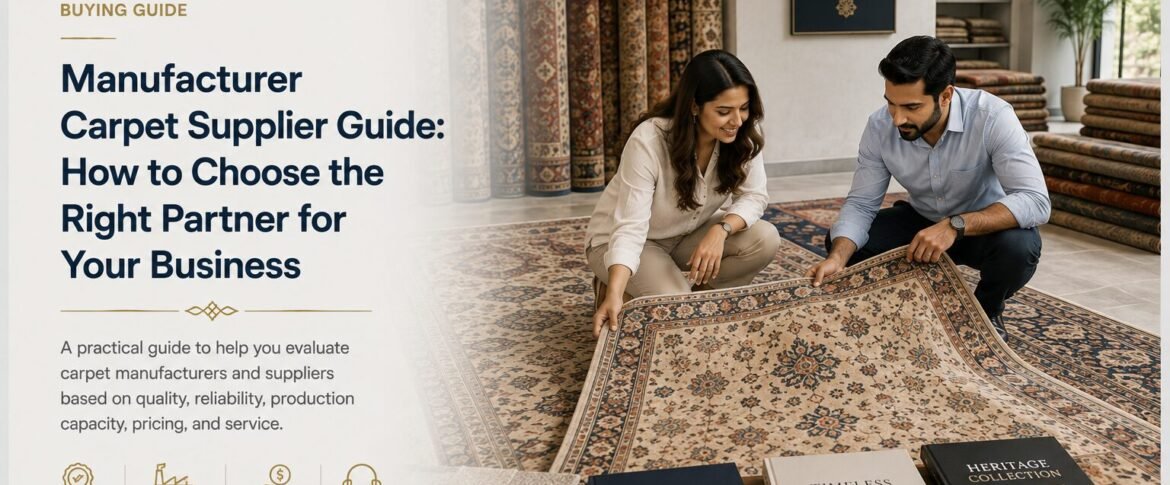
How to Choose the Right Manufacturer Carpet Supplier
If you’re in the B2B world, whether it’s for flooring, hospitality, or big interior projects, picking the right manufacturer carpet supplier is absolutely essential. We’re not just talking about a simple purchase; this is a strategic partnership that directly affects your project’s quality, how long it takes, and even your bottom line. Get it wrong, and you could face expensive delays, dodgy product quality, and a hit to your reputation.
Having spent years in B2B procurement and supply chain management within the textile industry, I’ve seen firsthand just how tricky this can be. That’s why I’ve put together this comprehensive guide, packed with insights from my own experiences, to help you navigate the crucial steps and considerations. My goal is to make sure you find a manufacturer who genuinely fits your business, always delivering top-notch quality and reliability.
What Key Certifications Should a Manufacturer Carpet Supplier Possess?
A great manufacturer carpet supplier won’t just tell you they’re good; they’ll show it with a bunch of certifications. These aren’t just fancy pieces of paper; they’re solid proof of their dedication to quality, ethical practices, and sticking to industry standards. Think of them as crucial signposts that point to trustworthiness and operational excellence, ultimately making sure your carpets hit all the right notes.
Trust me on this – a common pitfall is just taking a supplier’s word for it. Instead, those verifiable certifications give you real, concrete proof that they’re following global best practices and all the necessary rules. This seriously cuts down on risks tied to product quality, environmental concerns, and how reliably they operate.
Essential Quality and Environmental Certifications
When you’re checking out potential carpet manufacturing companies, focus on certifications that really show off their structured approach to quality and being eco-friendly. These aren’t just little stickers; they mean the company has gone through proper audits and has solid processes in place.
- ISO 9001 (Quality Management) — This international standard basically tells you the supplier has their quality act together. It means their whole process – from design and production to delivery and service – is consistently managed and controlled, leading to predictable, reliable product quality every time.
- ISO 14001 (Environmental Management) — Being committed to environmental responsibility is super important these days. ISO 14001 confirms that a supplier has a solid system for managing their environmental impact, helping them cut down on waste, manage energy, and generally lessen their footprint during the entire carpet manufacturing process.
- Green Label Plus / CRI Green Label Plus — This one is specifically for carpets! The Carpet and Rug Institute (CRI) awards Green Label Plus to products with super low emissions of volatile organic compounds (VOCs). This is absolutely critical for keeping the air clean in commercial spots like offices, hotels, and healthcare settings.
Regulatory and Trade Compliance (Especially for International Sourcing)
If you’re doing business globally or working with suppliers in places like India, having the right trade and tax registrations isn’t just a good idea – it’s absolutely essential for everything to run smoothly.
- GST Registration (Goods and Services Tax) — For Indian suppliers, a valid GST registration is totally fundamental for staying tax-compliant. It means clear invoicing and you can claim input tax credits. Without it, things can get legally messy and financially inefficient pretty quickly.
- DGFT Registration (Directorate General of Foreign Trade) — If you’re bringing in carpets from an Indian manufacturer carpet supplier, their DGFT registration shows they’re playing by India’s foreign trade rules. This is a big deal for smooth export-import processes and for tapping into any trade perks.
All these certifications together give you a clear picture of how professional a manufacturer is and whether they can actually handle tough B2B demands. Always ask for copies of these certificates, and if you have even a tiny doubt, check their validity directly with the organizations that issued them.
How Critical is the Sampling and Approval Process with Carpet Rug Manufacturers?
The sampling and approval process with carpet rug manufacturers? It’s not just important, it’s absolutely crucial. Think of it as the bedrock for making sure your final bulk order perfectly matches your exact specs and quality hopes. This is where we lock down designs, colors, textures, and what materials are used, stopping expensive mistakes before they even happen.
Honestly, trying to skip or rush this step is a recipe for disaster; you’ll often end up with a huge gap between what you imagined and what actually gets produced. It’s a non-negotiable part of quality control and making sure everyone’s on the same page, especially when you’re working with custom carpet manufacturers on unique designs or massive projects. This back-and-forth process is what lets you make all those crucial tweaks before they start making everything.
Steps for an Effective Sampling and Approval Process
Having an organized way to handle sampling really cuts down on risks and boosts accuracy. What truly works? A super clear, documented workflow complete with specific points where you give your go-ahead.
- Initial Sample Request: Start by clearly laying out everything: your design, materials, exact color codes (like Pantone or your own yarn colors), pile height, and backing specs. Don’t hold back on details; provide thorough tech packs or CAD drawings.
- Prototype Review: Once that first sample arrives, give it a really good once-over. Check the color accuracy in different lights, feel the texture, test the tuft bind, and inspect the whole construction. Then, give super precise, actionable feedback.
- Revision and Resampling (If Needed): If the first sample isn’t quite right, explain exactly what needs to change. You should expect the manufacturer to send a revised sample. This back-and-forth is absolutely key to getting it spot on. A frequent error I see is people approving a “close enough” sample, then crossing their fingers for perfection in the full order – don’t do it!
- Pre-Production Sample (PPS) Approval: When the design and quality are finally locked in, ask for a Pre-Production Sample (PPS). This one needs to be made using the *exact* materials, machines, and processes they’ll use for your big order. It’s your very last checkpoint before mass production kicks off.
- Signed Approval and Documentation: After the PPS gets your stamp of approval, make sure everyone involved signs off on the sample, along with all the detailed specs and quality criteria. Document absolutely every conversation, revision, and approval. This creates a solid legal and quality reference point for your entire order.
Getting custom carpet samples just right means being super detail-oriented and communicating constantly. From my experience, even tiny differences in yarn dye lots or finishing touches can cause big, noticeable variations, so being thorough here really pays off.
What are the Best Practices for Evaluating Manufacturer Carpet Quality During Bulk Production?
When you’re checking the quality of manufacturer carpet during a big production run, you need a really systematic and proactive approach – something that goes way beyond just approving an initial sample. It means putting tough quality control (QC) checks in place at every single stage of manufacturing to make sure every single carpet in your order consistently hits those agreed-upon specs and standards.
The biggest hurdle with bulk orders is keeping everything uniform and stopping tiny defects from turning into massive problems across thousands of units. What really works is weaving QC checkpoints right into the production workflow, instead of just waiting for one big final inspection. This proactive approach is absolutely crucial for any B2B buyer, especially when you’re ordering huge volumes from custom carpet manufacturers.
Key Strategies for Quality Assurance in Bulk
To really nail quality assurance for massive carpet orders, you need a multi-pronged strategy. This is how you guarantee the manufacturer keeps their standards consistent throughout the entire production run.
- Pre-Production Inspection (PPI): Before they even start making anything in bulk, check all the raw materials – yarns, backing, dyes – for quality, quantity, and whether they match your specs. Double-check that all the machinery is calibrated and the production line is good to go. This early step stops big problems before they even start.
- In-Line Production Checks (DUPRO): Do quality checks *all through* the production process. This means keeping an eye on weaving/tufting patterns, making sure pile height is consistent, checking dye lot uniformity, and how the backing is applied. Catching defects early on saves a ton of waste and rework. For example, if the tuft bind is off or the shearing is inconsistent, you need to spot that immediately.
- Final Random Inspection (FRI): After the whole order is 80-100% done and packed up, do a thorough final inspection. This usually means picking random cartons or rolls based on AQL (Acceptance Quality Limit) standards. Look for visual defects, measure for accuracy, check labeling, packaging integrity, and run pull tests or any other performance tests that are relevant.
- Laboratory Testing: For those super important performance details, send samples from the bulk production to an independent, accredited lab. They’ll test things like pile weight, tuft bind, flammability, how well colors hold up to light and water, and abrasion resistance – all to make sure everything meets industry standards like ASTM or ISO.
- Supplier’s Internal QC Reports: Regularly ask for and review the manufacturer’s own internal QC reports. This gives you a peek behind the curtain at their quality processes and can flag potential problems before they blow up.
Here’s a tip that really makes a difference: set up a clear “defect severity matrix” with your supplier right from the start. This means categorizing defects as critical, major, or minor, and then defining what’s acceptable for each. It totally streamlines inspections and approvals, especially when you’re buying from the biggest carpet manufacturers who probably have their own massive internal systems.
How Can B2B Businesses Build Strong, Lasting Relationships with Their Carpet Manufacturing Companies?
Building strong, long-lasting relationships with carpet manufacturing companies is truly the bedrock for ongoing success in B2B buying. It’s so much more than just a series of transactions; a solid partnership helps both sides grow, makes your supply chain tougher, and unlocks huge value through working together and innovating. What really clicks is moving past simply buying and selling, and instead thinking of it as a strategic alliance.
Having a deep, trusting relationship with a crucial manufacturer carpet supplier can open doors to better pricing, faster production times, and even proactive solutions to problems before they fully emerge. It’s all about creating a win-win situation where both parties are genuinely invested in each other’s success, leading to smoother operations and a much more predictable supply chain.
Strategies for Nurturing Long-Term Partnerships
Crafting beneficial long-term carpet supply agreements takes consistent effort and smart engagement. Based on my experience, mutual respect is key to making these relationships last, especially when you’re working with the biggest carpet manufacturers who really value stable, long-term clients.
- Transparent Communication: Set up really open and honest communication channels. Be proactive in sharing your long-term business predictions, upcoming projects, and any shifts in demand or specs. And encourage your supplier to do the same, whether it’s about their capacity, material availability, or any challenges they foresee.
- Fair and Balanced Contracts: Work towards contracts that feel fair and benefit both sides. Steer clear of super aggressive terms that could damage the relationship. Make sure to clearly outline quality standards, delivery timelines, payment terms, and how you’ll resolve any disputes.
- Regular Performance Reviews: Hold regular performance reviews (maybe quarterly or annually) to chat about key performance indicators (KPIs) like on-time delivery, consistent quality, how responsive they are, and cost-effectiveness. Think of these as chances to constantly improve, not just to point fingers.
- Joint Problem-Solving: When problems pop up, tackle them as a team. Focus on finding solutions *together* instead of just playing the blame game. This kind of collaborative problem-solving really builds trust and shows you’re both committed to the partnership.
- Invest in Supplier Development: If it makes sense, think about investing in what your supplier can do. This might mean sharing market insights, giving feedback for new product ideas, or even offering training on fresh technologies or processes. Remember, a stronger supplier ultimately means a stronger supply chain for *you*.
- Recognize and Appreciate Value: Don’t forget to acknowledge and genuinely appreciate the value your supplier brings to the table. A simple ‘thank you,’ some positive feedback, or even publicly recognizing their hard work can truly strengthen a positive relationship.
Truthfully, the most successful B2B relationships with custom carpet manufacturers are the ones where both sides truly see themselves as extensions of each other’s businesses. This creates a level of commitment and innovation that simply buying and selling can never achieve.
Conclusion
Picking the perfect manufacturer carpet supplier is a big, strategic decision for any B2B business, calling for incredible attention to detail and a forward-thinking mindset. Throughout this guide, we’ve really highlighted how crucial it is to dig into certifications, run super thorough sampling, and set up solid quality control for big orders. This all ensures you get top-notch products and a reliable supply chain. Ultimately, building strong, lasting relationships through honest communication and mutual respect turns mere suppliers into invaluable partners. Stick to these principles, and your business can confidently source high-quality carpets that hit every spec, leading to successful projects and consistent growth.
To really cut through the complexities of B2B carpet buying, why not team up with a manufacturer carpet expert? Someone who can offer custom solutions and rock-solid quality every time. Take that next big step in perfecting your sourcing strategy – connect with a proven industry leader today!
Frequently Asked Questions
What’s the absolute most important thing to look for when picking a manufacturer carpet supplier?
Hands down, it’s consistent product quality, especially when it’s backed up by solid certifications like ISO 9001 and Green Label Plus. This is your guarantee that the manufacturer’s carpet will meet your exact needs and industry standards, protecting both your projects and your reputation. Plus, it really shows off the supplier’s dedication to excellence.
How do carpet rug manufacturers make sure colors stay consistent, even on huge orders?
Carpet rug manufacturers keep colors spot-on by being really strict with dye lot control, using advanced spectrophotometer testing, and making sure they use the same yarn batch for big orders. They also do color checks right on the production line and send pre-production samples for clients to approve, all to guarantee uniform color from one roll to the next.
Can custom carpet manufacturers really handle unique design requests for hospitality projects?
Absolutely, reputable custom carpet manufacturers totally specialize in handling unique design needs for hospitality projects. They’ve got vast design capabilities, including custom colors, patterns, and even pile heights. The secret to getting those bespoke designs just right? Super clear communication during the sampling and approval process.
What are the perks of teaming up with the biggest carpet manufacturers?
Teaming up with the biggest carpet manufacturers often comes with some serious perks: huge production capacity, cutting-edge technology, a wider array of products, and strong R&D departments. Generally, they offer more stability, competitive pricing thanks to their size, and really comprehensive support for B2B clients.
What’s the usual wait time for a big wholesale carpet order?
The usual wait time for a big wholesale carpet order can really vary, but generally, you’re looking at anywhere from 6 to 12 weeks. This all depends on things like the carpet type, how much customization you need, the sheer volume of your order, and the manufacturer’s current production lineup. If you’re in a real hurry, faster options might be on the table, usually for a bit extra.

Looking for the Perfect Rug?
Get a free consultation with our rug experts. We help you choose, style, and maintain the perfect rug for your space — at no cost.
