

 USD
USD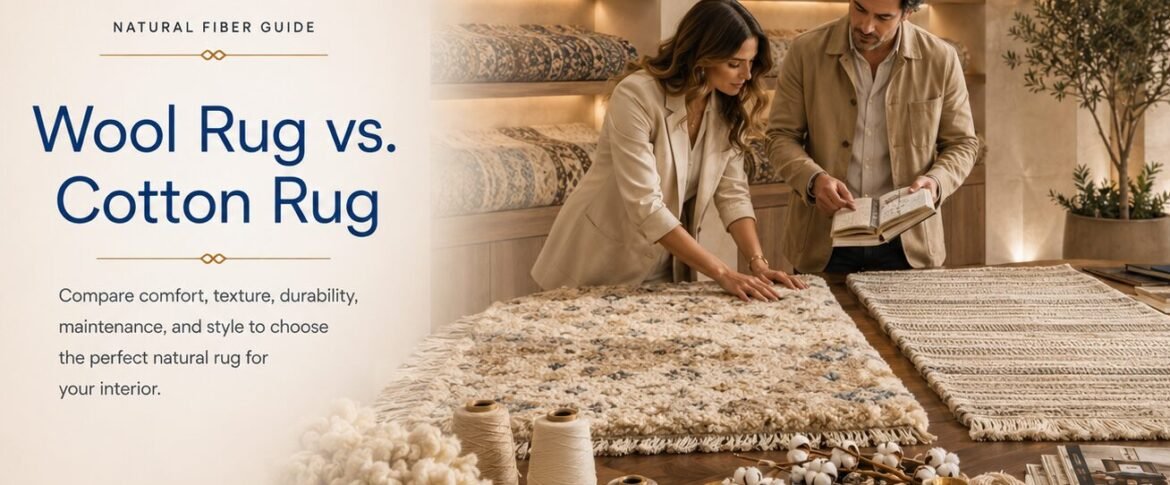
Wool Rug vs Cotton Rug: Which Should You Choose?
Choosing the perfect rug can feel like magic, instantly pulling a room together, adding warmth, amazing texture, and just the right pop of color. But when you’re caught in that age-old debate of a wool rug vs cotton rug, it’s easy to get lost weighing cozy comfort against everyday practicality, or luxurious feel against what your wallet allows. Having spent years immersed in textiles and helping folks design their homes, I’ve seen exactly how these two amazing natural fibers hold up in all sorts of spaces.
In this friendly guide, we’re going to dive deep into everything that makes wool and cotton rugs tick – their unique qualities, what makes them great, and where they might fall short. My goal is to give you all the insider info you need to make a decision you’ll truly love, so your chosen rug perfectly fits your life and your home’s vibe. Let’s figure out which fiber is truly meant for your floors!
Understanding the Materials: Wool vs. Cotton
To really get to the bottom of the wool rug vs cotton rug question, we need to first appreciate the unique personalities each natural fiber brings to your floors. These built-in characteristics are what determine everything from how they feel and look, to how long they last and how much care they’ll need.
What are the fundamental characteristics of wool rugs?
Wool rugs are famous for their amazing springiness, cozy warmth, and that undeniable luxurious feel, all thanks to the naturally crimped structure of wool fibers. This unique crimp acts like tiny springs, letting wool bounce right back into shape after it’s stepped on, making it incredibly durable and resistant to getting squashed flat.
From my own experience, I can confidently tell you that a well-made wool rug is an investment that truly keeps on giving, both in terms of how long it lasts and how wonderfully comfortable it is. Wool fibers naturally contain lanolin, which gives them a built-in resistance to stains, making spills surprisingly easy to clean up if you catch them quickly. Plus, wool is a fantastic insulator, helping to keep your room’s temperature just right, and it even has natural flame-retardant qualities, which is a nice safety bonus for your home.
What defines a cotton rug and its unique properties?
Cotton rugs are loved for their softness, breathability, and incredible versatility, bringing a lighter, often more relaxed vibe compared to wool. Unlike wool’s crimp, cotton fibers are smooth and strong, which allows for really tight weaves and means they soak up vibrant dyes beautifully.
It’s a common misconception to think cotton can’t be stylish; while it might not always have wool’s “luxury” tag, cotton rugs can actually be super chic and incredibly practical. They typically absorb more than wool, making them perfect for quick-drying spots like bath mats, but this also means spills can sink in faster. What truly shines about cotton is its ability to hold bright, beautiful colors, giving you a huge palette for decorating, and that distinctively soft, flat feel underfoot.
What are the Main Pros and Cons of Wool Rugs?
When you’re thinking about bringing a wool rug into your home, it’s really important to weigh its clear advantages against any potential downsides. Understanding these points is key to figuring out if wool is the perfect natural fiber for what you need.
Advantages of Wool Rugs:
- Durability & Resilience: Wool fibers have this amazing natural crimp that helps them spring back, making wool rugs super resistant to getting crushed, matted, or showing indentations from furniture. They just look great, even in busy spots.
- Softness & Comfort: Known for being wonderfully soft, wool rugs give you a plush, comfy surface under your feet, instantly adding warmth and coziness to any room.
- Natural Stain Resistance: Thanks to the lanolin coating on its fibers, wool naturally fends off water-based spills, giving you precious time to blot up liquids before they soak in and leave a mark.
- Insulation Properties: Wool is an excellent insulator, which means it helps keep rooms warmer in the winter and cooler in the summer – potentially helping with those energy bills!
- Hypoallergenic: Wool fibers naturally grab onto dust and allergens, holding them until you vacuum, which can actually make your indoor air quality better. It’s also naturally resistant to dust mites, mold, and mildew.
- Eco-Friendly & Sustainable: Wool is a rapidly renewable resource; sheep are shorn annually without harm, it’s biodegradable, making it a really smart choice for the planet.
Disadvantages of Wool Rugs:
- Cost: Wool rugs generally come with a higher price tag upfront compared to cotton rugs, mainly because of the fiber’s quality and the processing involved.
- Shedding: New wool rugs, especially those with a cut pile, often shed fibers for the first few months. It’s totally normal, but it does mean a bit more vacuuming initially.
- Absorbency of Oil-Based Stains: While they’re great against water, wool can be trickier to clean if it soaks up oil-based stains, which can really bond with the fiber.
- Moth Susceptibility: Untreated natural wool can be appealing to moths, though many modern wool rugs come treated to prevent this.
- Potential for Fading: If they’re constantly exposed to direct sunlight, some wool rugs might show some fading over time.
What are the Main Pros and Cons of Cotton Rugs?
Cotton rugs bring a whole different set of advantages and challenges compared to their wool cousins. Really understanding these unique points will help you decide if a cotton rug is a better fit for your practical needs and your home’s style.
Advantages of Cotton Rugs:
- Affordability: Cotton rugs are usually much kinder to your budget than wool rugs, making them a super accessible way to update your decor or furnish bigger areas without breaking the bank.
- Softness & Breathability: Cotton fibers are naturally soft, giving you a comfortable, breathable feel that’s often lighter underfoot than wool.
- Vibrant Colors: Cotton takes dye incredibly well, meaning you can find them in a huge range of bright colors and detailed patterns that keep their hue beautifully.
- Ease of Cleaning (for smaller rugs): Lots of smaller cotton rugs are machine washable, which is incredibly convenient for spills and general cleaning, especially in places like kitchens or bathrooms.
- Versatility: Cotton rugs come in an enormous variety of styles, from sleek flatweaves and dhurries to braided and chenille, fitting perfectly into decor themes from rustic farmhouse to modern minimalist.
- Hypoallergenic: Cotton is a naturally hypoallergenic fiber, making it a fantastic choice for anyone with allergies or sensitivities to wool.
Disadvantages of Cotton Rugs:
- Less Durable/Resilient: Cotton fibers don’t have that natural crimp that wool does, so cotton rugs are more likely to get crushed, matted, and show wear in high-traffic spots.
- Higher Absorbency: Cotton soaks things up quickly, meaning spills can sink in fast and be tougher to get out completely, potentially leading to stains and smells if you don’t clean them right away.
- Prone to Fading: While cotton loves dye, that also means it can be more susceptible to fading from direct sunlight compared to some types of wool.
- Wrinkling & Curling: Thinner cotton rugs, especially flatweaves, can sometimes wrinkle, bunch up, or have edges that curl, which can actually be a tripping hazard.
- Less Insulating: Cotton doesn’t offer the same level of insulation as wool, so rooms might feel a bit less warm underfoot.
How Do Wool Rugs and Cotton Rugs Compare in Cost?
When you’re planning your budget for a new floor covering, the price difference between a wool rug vs cotton rug can definitely be a big factor. Generally speaking, wool rugs will ask for a larger initial investment, while cotton options tend to be much more budget-friendly.
From what I’ve seen, a good quality wool area rug can start around $200 for a small size and easily go past $1,000 for a large living room rug, with intricate hand-knotted pieces costing even more. This higher price tag reflects the intensive labor, the superb quality of the wool fiber, and its incredible natural durability. On the flip side, you can often discover really appealing cotton rugs for as little as $50 for smaller sizes, with larger options usually topping out around $500 – though some special hand-loomed cotton rugs can be pricier. This makes cotton a fantastic choice if you’re looking for an affordable way to frequently refresh your decor without a huge financial commitment. However, it’s always worth thinking about the long-term value; a wool rug’s extended lifespan can sometimes make its higher initial cost surprisingly more economical over many, many years.
Which Type of Rug Offers Greater Durability: Wool or Cotton?
When we talk about how long a rug will last and how well it stands up to daily life, a wool rug generally has the edge over a cotton rug, especially in those busy, high-traffic spots. This difference is super important when you’re thinking about your investment.
The natural springiness of wool fibers is a total game-changer for durability. Think of their natural crimp like tiny little springs, helping them bounce right back from being compressed. This makes them incredibly resistant to crushing and matting. In real-world terms, a well-cared-for wool rug can easily look fantastic for 10-20 years, even in bustling areas like hallways or living rooms. Cotton, while strong in its own way, just doesn’t have that built-in bounce. It’s more likely to show wear, flatten out, and fray quicker in high-traffic zones, and its lifespan is usually shorter—often 3-7 years—before it starts to look a bit tired. So, for those super busy areas, a wool rug is hands down the winner because of its tough fiber structure. For spots with less foot traffic, cotton can still be a durable and lovely choice.
How Do I Choose Between a Wool Rug and a Cotton Rug for My Home?
Making that final call between a wool rug vs cotton rug really comes down to your unique needs, your lifestyle, and exactly where you plan to put the rug. There isn’t one “best” option; instead, it’s all about finding that perfect match for you.
To help people shop smart, I always suggest looking at the room’s traffic level, the look you’re going for, how much effort you want to put into cleaning, and, of course, your budget. For instance, a bustling family room will demand different qualities than a quiet, serene bedroom. Understanding these points will quickly clarify whether wool’s robust nature or cotton’s versatile charm is truly right for you. Think of this decision as finding the sweet spot between what catches your eye now and what will work best for your everyday life in your special space.
When is a wool rug the best choice?
A wool rug is often your go-to choice for areas that really need resilience, incredible comfort, and a touch of undeniable luxury. From my experience, I’d absolutely recommend wool for main living areas, dining rooms, hallways, and entryways.
- High-Traffic Areas: Its natural ability to resist crushing and matting makes it absolutely perfect for busy spots.
- Bedrooms & Living Rooms: It offers unparalleled softness, warmth, and sound absorption, creating those truly cozy, inviting atmospheres.
- Investment Pieces: If you’re hoping for a rug that will last for decades and potentially become a treasured family heirloom, wool’s longevity makes it a brilliant investment.
- Homes with Allergies: Wool is fantastic at trapping allergens efficiently and naturally resists dust mites, which can really improve your indoor air quality.
- Formal or Traditional Decor: Wool often brings a more sophisticated, timeless, and enduring aesthetic to a space.
Imagine, for example, a thick, hand-knotted wool rug in a busy living room – it delivers unmatched durability and comfort underfoot, while also adding significant, lasting beauty to the whole room.
When is a cotton rug the better option?
Cotton rugs truly shine in situations where being affordable, having vibrant colors, and being easy to wash are your top priorities. They’re fantastic for casual settings and rooms that have specific functional requirements.
- Low-to-Medium Traffic Areas: They’re best suited for places like bedrooms, home offices, or guest rooms where foot traffic isn’t constantly heavy.
- Kids’ Rooms & Nurseries: Soft, often machine washable, and available in fun, bright colors, they’re wonderfully practical for children’s spaces.
- Kitchens & Bathrooms (smaller sizes): Small, machine-washable cotton rugs are ideal for these areas where spills and moisture are a regular part of life.
- Layering: Lighter cotton flatweaves are excellent for placing over larger rugs or carpet to add extra texture and visual interest.
- Budget-Friendly Decor Updates: Their lower cost means you can change them out more often to refresh a room’s look without a huge expense.
- Casual or Bohemian Decor: Cotton’s natural, sometimes slightly imperfect texture, just works beautifully with relaxed or eclectic styles.
Think about a machine-washable cotton runner in a kitchen, for instance – it offers a soft spot to stand, soaks up those little spills, and can be tossed straight into the laundry for a quick refresh. That kind of practicality is often something wool just can’t match.
Comparison Table: Wool Rug vs Cotton Rug
To help sum it all up, here’s a straightforward look at their key features:
| Feature | Wool Rug | Cotton Rug |
|---|---|---|
| Durability & Lifespan | Excellent (10-20+ years), highly resilient to crushing | Good (3-7 years), prone to flattening in high traffic |
| Softness & Comfort | Luxuriously soft, plush, warm | Soft, breathable, lighter feel |
| Cost | Higher initial investment | More affordable |
| Stain Resistance | Good natural resistance to water-based spills (lanolin) | High absorbency, prone to staining if not cleaned quickly |
| Ease of Cleaning | Professional cleaning often recommended; spot clean spills | Many smaller rugs are machine washable; larger ones spot clean |
| Shedding | Can shed initially for a few months | Minimal shedding |
| Insulation | Excellent insulator, provides warmth | Moderate insulator, breathable |
| Color Vibrancy | Good, but can fade in direct sunlight | Excellent, takes vibrant dyes well, but can fade in direct sunlight |
| Hypoallergenic | Naturally traps allergens; resistant to dust mites | Naturally hypoallergenic |
| Environmental Impact | Renewable, biodegradable, long lifespan | Renewable, biodegradable, depends on farming practices |
Conclusion
Ultimately, choosing between a wool rug vs cotton rug really comes down to finding that sweet spot between what you need in terms of durability, the look you’re going for, and how much effort you want to put into maintenance. Wool rugs offer incredible longevity, amazing comfort, and that natural springiness, making them a really smart long-term investment for busy areas and a fantastic foundation for any elegant room. Cotton rugs, on the other hand, give you an accessible, versatile, and often washable choice, perfect for easily updating your decor, styling relaxed spaces, or furnishing kids’ rooms with bright, breathable textiles. From a practical standpoint, I’d say that while wool does ask for a bigger upfront cost, its longer lifespan often means you get superior value in the long run, whereas cotton gives you instant budget flexibility for all sorts of styling ideas.
So, as you pick out your next area rug, take a good look at what your specific space needs and what you personally love. Embrace the unique qualities of each fiber to make sure your new rug not only makes your home look beautiful but also handles the everyday demands of life with ease. Consider your budget, how much foot traffic the area gets, and how you want it to feel, and you’ll absolutely find the perfect natural fiber rug to complete your home.
Frequently Asked Questions
What is the primary difference between a wool rug and a cotton rug?
The biggest difference comes down to their fiber structure and what that means for their characteristics. Wool rugs, made from crimped wool fibers, are naturally springy, insulating, and have a built-in resistance to stains thanks to lanolin, making them incredibly durable. Cotton rugs, woven from smooth cotton fibers, are softer, more breathable, and more absorbent, offering affordability and holding vibrant colors beautifully.
Are wool rugs more expensive than cotton rugs?
Yes, generally speaking, wool rugs do come with a higher price tag than cotton rugs. This is due to the quality of the raw material, the more intricate manufacturing process, and their superior durability. While cotton is a fantastic budget-friendly option for quick decorative changes, a wool rug represents a more significant initial investment that typically pays off with a much longer lifespan and lasting quality.
Which rug material is better for high-traffic areas?
Wool rugs are definitely the better choice for high-traffic areas. The natural crimp in wool fibers allows them to resist crushing and bounce back, keeping their great look and structure even with constant foot traffic. Cotton rugs, without this natural resilience, tend to flatten, mat, and show wear much faster in busy environments.
How do you clean wool rug vs cotton rug?
Cleaning a wool rug usually involves quickly blotting up spills, regular vacuuming, and a professional cleaning every year or two. Cotton rugs are often simpler for spot cleaning, and many smaller cotton rugs are even machine washable, which is super convenient for home care. Always, always check the specific care instructions for your rug to avoid any damage.
What are the environmental impacts of choosing a wool or cotton rug?
Both wool and cotton are natural, biodegradable fibers, which is great! Wool is a renewable resource, harvested annually, and boasts a very long product lifespan, which helps reduce waste. Cotton is also renewable, but its environmental footprint can vary depending on farming practices, particularly concerning water usage. Both, however, offer more eco-friendly alternatives compared to synthetic options, especially when you choose sustainably sourced products.
